Categories
post News

Small Class Sizes: Why a 1:4 Teacher-Student Ratio Matters for Early Development

For foreign parents living in Bali, choosing the right early learning environment is one of the most important decisions they can make. Beyond beautiful campuses and creative programs, one factor deserves close attention: class size. In early childhood education, a 1:4 teacher-student ratio can make a meaningful difference in how young children learn, grow, and feel supported each day.

The Power of Responsive Attention in Early Years

During the early years, children are developing rapidly across every area of life—language, social skills, emotional regulation, motor coordination, and cognitive ability. At this stage, they do not simply need supervision; they need responsive, individual attention. A low teacher-student ratio allows educators to truly observe each child, understand their personality, and respond to their unique developmental needs.

Personalized Learning: Ensuring No Child is Overlooked

With only four children per teacher, learning becomes far more personal. Teachers can notice small changes in behavior, identify strengths early, and provide support when challenges arise. Some children are naturally confident and expressive, while others may need more time, reassurance, and gentle encouragement. In a smaller class, no child is overlooked. Each one has more opportunities to speak, participate, ask questions, and build trust with their teacher.

Navigating Multilingual and Multicultural Transitions

This level of attention is especially valuable for international and multicultural families in Bali. Many foreign parents are raising children in a multilingual or cross-cultural environment, which can be enriching but also complex during the early years. A small class helps teachers better support language development, social adjustment, and emotional security. Children who are navigating different languages or adapting to a new environment often benefit from calmer settings where teachers can guide them closely and consistently.

Fostering Emotional Intelligence and Security

A 1:4 ratio also supports stronger emotional development. Young children learn best when they feel safe, seen, and connected. In overcrowded classrooms, teachers may spend more time managing behavior and routines than nurturing meaningful interaction. In smaller groups, teachers can model positive communication, help children work through conflicts, and create a warm atmosphere where every child feels valued. These daily interactions help build confidence, independence, and resilience.

Beyond “One-Size-Fits-All” Instruction

From an academic perspective, smaller class sizes create more space for active, hands-on learning. Teachers can adapt activities based on each child’s readiness and interests rather than following a one-size-fits-all approach. Whether a child is exploring early literacy, sensory play, problem-solving, or creative expression, the teacher has more time to guide the experience with intention and care. This leads to deeper engagement and a stronger foundation for future learning.

Strengthening the Parent-Teacher Partnership

For parents, a low ratio often means better communication as well. Teachers who work with smaller groups are typically able to share more meaningful observations about a child’s progress, routines, and development. This partnership between school and home is especially important for expatriate families who want reassurance that their child is thriving in a supportive environment away from their home country.

A Lasting Foundation for Young Learners

In Bali, where families often seek not only quality education but also a balanced and nurturing lifestyle, class size should be a key consideration. A 1:4 teacher-student ratio is more than just a number; it reflects a commitment to personalized care, emotional wellbeing, and strong early development. For young children, that individual attention can shape not only how they learn, but how they see themselves as learners.

Categories
post News

Canggu vs Ubud vs Mengwi, Choosing the Best Area for Your Child’s Education

Choosing a home in Bali goes beyond simply selecting a villa with a view, it’s a strategic choice that impacts your child’s formative years. Bali island features three unique areas Canggu, Ubud, and Mengwi each providing a different environment for learning, both inside and outside school.

Here is a closer look at which neighborhood might fit your family’s educational and lifestyle goals

Canggu, The High-Energy International Hub

Canggu has changed from a quiet surf town into Bali’s most vibrant expat center. For families who value a diverse education, Canggu is hard to match. Many schools offer demanding international programs, including the IB and British curriculum systems.

  • The Educational Edge: Students here grow up in a mix of cultures, promoting global connections from an early age.
  • The Lifestyle: Outside of school, Canggu provides lots of options for extracurricular activities. From top-notch soccer academies and competitive surfing to equestrian centers and skate parks, your child will have plenty of ways to stay active.
  • The Trade-off: The fast pace can be overwhelming. Traffic is often heavy, and the fast growth means it can be noisier than other areas of the island.

Ubud, The Sanctuary for Holistic Learning

Ubud is the spiritual and cultural pulse of Bali, attracting families who seek an alternative or progressive approach to schooling.

  • The Educational Edge: Many schools here focus heavily on the “whole child.” The curriculum often blends academics with arts, environmental stewardship, and mindfulness. It is an ideal setting for creative spirits and children who thrive in nature-based environments.
  • The Lifestyle: Living in Ubud means waking up to the sound of roosters and river flows. It offers a slower, more intentional pace of life where weekends are spent at pottery workshops or trekking through Tegallalang rice terraces.

Mengwi, The Strategic Sanctuary

Mengwi is the rising star for “smart” relocation. It offers a bridge between the coast and the mountains, providing larger living spaces and a more authentic Balinese atmosphere without sacrificing modern educational standards.

  • Education: Mengwi has become a magnet for progressive families thanks to Open Flow Bali. This learning community focuses on children aged 2–12, utilizing a “learning that feels like breathing” philosophy.
  • Open Flow keeps children in a flow state where they learn through curiosity in a campus without walls. For those seeking a more community learning connection with nature, Open Flow Bali is also within easy reach.
  • The Lifestyle: Mengwi offers the best value for your real estate investment. You can find villas with expansive gardens where children can roam freely. It is a quieter, safer neighborhood that allows for a deep connection with the local community.
  • A Unique Plus: Open Flow Bali even offers on-site co-working spaces, making it a perfect match for digital nomad parents who want to work nearby while their children engage in nature-based learning.

Final Verdict Which is Right for You?

Feature Canggu Ubud Mengwi
Vibe Modern, Social, Fast-paced Artistic, Natural, Zen Peaceful, Spacious, Local
Education Focus Global Standards & Sports Sustainability & Creativity Academic Rigor & Community
Best For Social butterflies & surfers Nature lovers & free thinkers Families seeking quiet & value

Ultimately, your choice depends on the “hidden curriculum” you want for your child. Do you want them to master the digital world and competitive sports in Canggu, embrace the earth and the arts in Ubud, or enjoy a grounded, spacious upbringing in Mengwi? Each path offers a beautiful, unique start to a life in the Tropics.

Categories
post News

Redefining Learning Through Nature at Open Flow, A Native Indonesian’s Mission

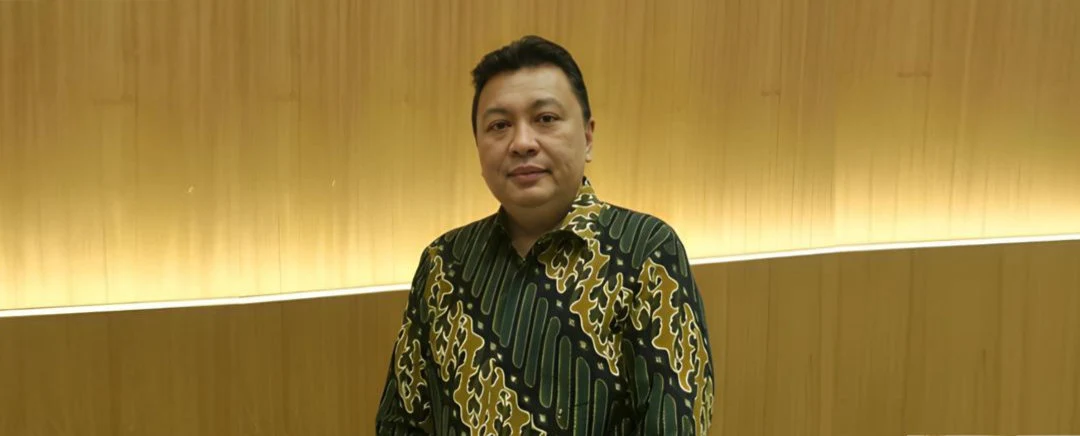
In an era where education often prioritizes test scores over holistic development, one native Indonesian visionary is taking a different path. Mr. Stephen Reinhard Rantung, founder and owner of Open Flow Bali, is redefining what learning can look like by placing nature at its first importance.

A Missing Element in Modern Classrooms

As an Indonesian who grew up immersed in the archipelago’s rich natural and cultural heritage, Mr. Stephen has long believed that conventional classroom settings often miss a crucial element: the connection between a child and the living world. This belief ignited his passion for transformative education, one that does not separate academic excellence from environmental harmony but instead weaves them together.

Driven by this vision, Mr. Stephen built Open Flow, a nature-based school designed to be a sanctuary for curious young minds. Unlike conventional schools, Open Flow encourages children to grow confidently, think creatively, and develop a deep sense of harmony with the natural surroundings. Here, lessons are not confined to four walls; they happen under the shade of trees, beside flowing water, and through direct engagement with the earth.

Local Wisdom as the School’s Foundation

Mr. Stephen’s identity as a native Indonesian profoundly shapes the school’s philosophy. He brings not only a diverse professional background but also a genuine understanding of local wisdom, community values, and the importance of living sustainably. This cultural authenticity sets Open Flow apart from many international or nature-school models that may feel disconnected from local contexts.

Under his leadership, Open Flow has cultivated a school culture rooted in innovation, inclusivity, and mindful learning. Children are empowered to ask questions, take risks, and learn from failure, all while developing a lifelong respect for the environment. Mr. Stephen envisions his students not just as successful individuals but as future stewards of the planet.

For Mr. Stephen Reinhard Rantung, founding Open Flow is more than building a school. It is a personal mission to prove that an Indonesian, drawing from his own homeland’s beauty and values, can create a world-class nature-based education model. His work inspires hope that learning can be both joyful and deeply meaningful, one child, one tree, one open mind at a time.

Categories
post Programme

Beach exploration

Venturing on a coastal science expedition, children explore the beach as a dynamic classroom. Guided by educators, they investigate tide pools, study sand composition, and engage in citizen science at the water’s edge.

This immersive experience not only unveils the mysteries of marine biology and geology but also cultivates scientific skills. From seashells to scientific wonder, the beach exploration adventure sparks curiosity, forging a connection to the natural world and laying the foundation for future environmental stewards..

Categories
holiday post

Deep sea fishing

In the spirit of hands-on and immersive learning, children dive into a living classroom, explore marine life and ecosystems.

This unique educational experience not only introduces them to the thrill of the open sea but also offers an invaluable opportunity to learn about diverse fish species, oceanography, and responsible fishing practices.

Each catch transforms into a hands-on marine biology lesson, fostering a passion for science and ocean conservation. This thrilling adventure not only offers a unique blend of excitement and education but also shapes the next generation of marine scientists with a deep appreciation for our oceans.

Categories
post Programme

River for dessert

Embark on a captivating culinary adventure as our children delve into the exploration of locally sourced ingredients, uncovering the richness of our land.

With a spirit of curiosity and creativity, these aspiring cooks infuse their dishes with unique flavors and imaginative twists.

Against the backdrop of a picturesque riverside setting, they proudly present their culinary creations to parents and delighted guests.

This event goes beyond a mere showcase; it becomes a platform that not only fosters a delightful experience but also serves as an educational journey celebrating the diversity of flavors and the boundless imagination of our talented young chefs.